



Brain drain remains a major challenge in Azerbaijan’s scientific environment — STM chairman
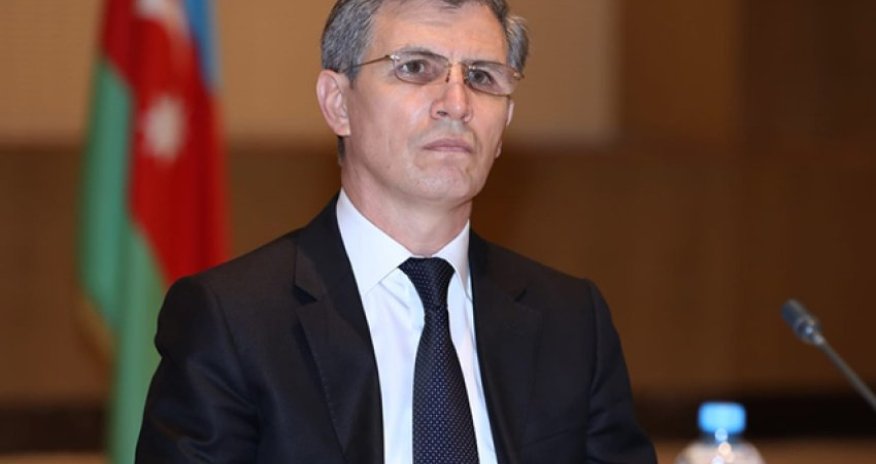


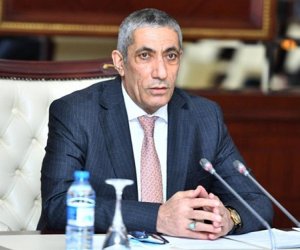
According to a survey conducted by the Center for Social Research in 2024 among scientific institutions, 39.7% of scientists cited “brain drain” as the main problem, 38.9% pointed to staffing and career growth, and 34.6% mentioned the public image of scientists. MP Zahid Oruc, chairman of the Center for Social Research, stated this during today's roundtable discussion.
According to the MP, scientific ideas are the driving force behind technological revolutions, and although Azerbaijan has highly qualified human resources, it is necessary to create a systemic and sustainable scientific environment.
He noted that based on examples such as Harvard-educated officials, ADA University’s educational model, Azerbaijanis working in international research centers, and figures like Selçuk Bayraktar, an “MIT-type ecosystem” can be built in the country.
Oruc recalled that since 2021, institutions in Spain alone have received 4 billion euros for R&D projects under the EU’s Horizon Europe programme. In his view, economic growth and employment increases correlate directly with large-scale funding for science and innovation.
The MP also identified the concentration of scientific infrastructure in the capital as one of the challenges: 90 out of 100 research institutions are located in Baku.
He described the weakness of regional scientific ecosystems as a risk for generational continuity and specialist training.
Oruc noted that the number of articles by Azerbaijani scientists published in Scopus grew from 1,800 to 2,382 in the first eight months of 2024, but scientific progress is constrained by weak grant culture and foreign language barriers.
Other shortcomings he highlighted include limited laboratory and technical capacity, inadequate selection of research topics, weak international integration, and low visibility of local scientific journals.
He added that although initiatives like Teknofest create technological symbolism for youth, the scientific and innovation environment must be built systematically, starting from secondary education.
According to the MP, “society expects scientific results in Big Data, artificial intelligence, 5G technologies, drones and social robotics.”
Gulnar Nazimgizi









 Photo
Photo 


 Video
Video