





Archaeologists race to secure ancient burial site of three Egyptian kings - PHOTO
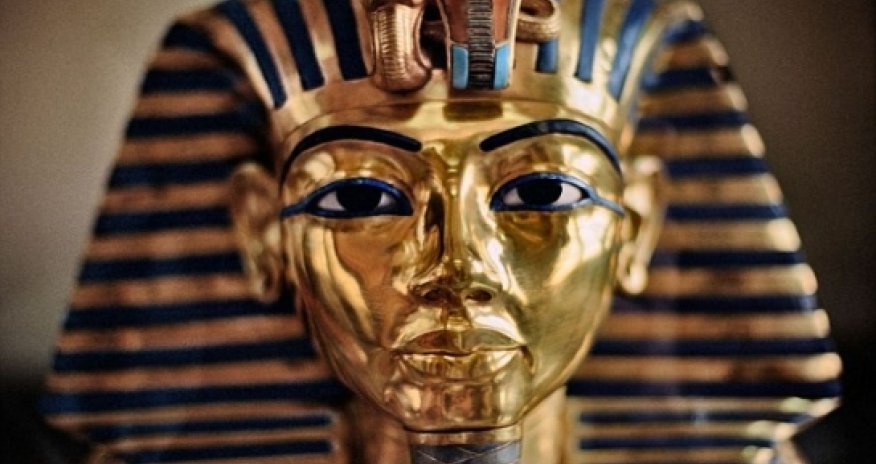


British archaeologist John Romer, 72, believes he has discovered the site where three ancient Egyptian priest kings - Herihor, Piankh and Menkheperre - were buried in Luxor, Egypt, almost 3,000 years ago. He claims the burial ground will yield such magnificent treasures that those discovered in the nearby tomb of Tutankhamun in the Valley of the Kings will seem like a 'display in Woolworths' in comparison.Like a plot out of an Indiana Jones movie, experts are now racing to secure the site called Wadi el-Gharbi, located in the cliffs on Luxor's west bank, before the arrival of so-called treasure hunters and tomb-raiders.It is feared that ancient rock inscriptions surrounding the site, which has remained largely untouched since 1085BC, could be damaged by their quad bikes, rope ladders and other equipment.Romer told the Sunday Times: 'Last week, three people were arrested by the army security services at Luxor for entering it.'The only person known to have excavated at the site was Howard Carter - the man who first scratched a hole through the sealed doorway of Tutankhamun's burial chamber in 1922.Carter had previously cut trenches across the valley floor at the Wadi el-Gharbi site over the course of two weeks in 1916.He discovered huge mounds of limestone chippings on the wadi floor, identical to those found in the royal tombs in the Valley of the Kings.But Carter gave up on his excavations, possibly because he had little idea of what may be buried at the site.Romer has since focused on deciphering inscriptions left behind in the area by the royal workmen who laboured there.Romer and his colleague, Alex Peden, have found the name of Herihor among 150 rock inscriptions. Romer believes Carter was mistaken to restrict his search to the valley floor and claims the tomb is instead located higher up in the limestone cliffs which soar to around 1,000ft.He claims: Herihor is most likely to be buried in a coffin of gold, like Tutankhamun [250 years before]. There are likely to be canopic chests, objects of alabaster, gold-plated statues, and thrones, though possibly not chariots,.'Romer, who has been researching the potential tomb for 40 years, still needs to secure a permit from Egypt's Supreme Council of Antiquities to carry out his search.He now fears he may be beaten to finding the tomb after discovering a rival expedition has already arrived at the area.Romer says he would be happy to forgo the chance of discovering the tomb so long as the excavation is done properly and keeps valuable inscriptions intact.(dailymail.co.uk)ANN.Az










Latest news 
More news

 Photo
Photo 



 Video
Video