



Georgia warns EU against sanctioning Kulevi port over Middle Corridor impact
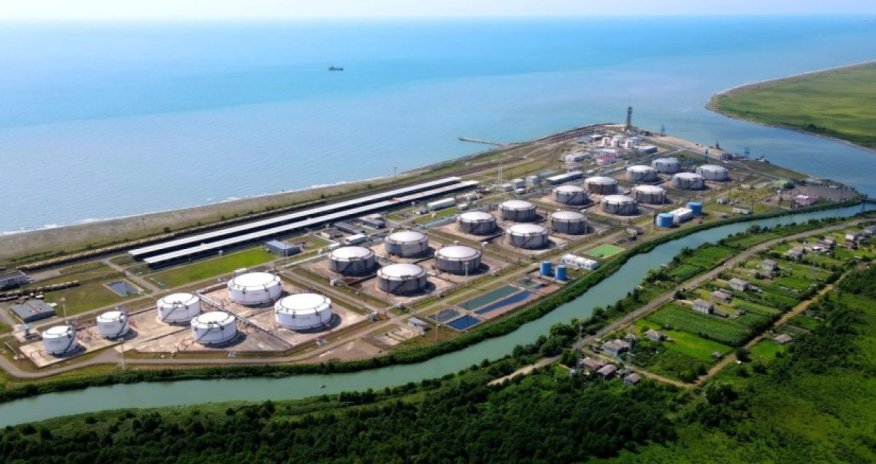


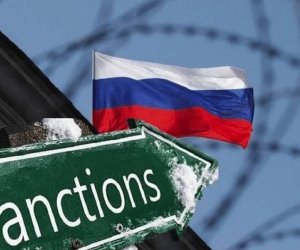
Georgia urged the European Union not to include the Kulevi port in its upcoming 20th sanctions package against Russia, saying such a move could harm the Middle Corridor trade route linking Europe with the South Caucasus and Central Asia.
Deputy Foreign Minister Georgi Zurabashvili raised the issue during a meeting with EU Ambassador to Georgia Pawel Herczynski, according to Georgia’s foreign ministry.
Zurabashvili said the Kulevi port forms part of the strategic Caspian–Black Sea–Europe corridor and plays a role in facilitating Europe’s access to raw materials and energy resources from the South Caucasus and Central Asia.
He said Georgia complies with all EU sanctions against Russia and works to prevent attempts to circumvent them. Media reports suggesting that Kulevi could be added to the sanctions list were “unfounded” and lacked factual basis, he added, noting that no cases of sanctioned vessels or sanctions evasion had been recorded at the port.
EU foreign policy chief Kaja Kallas declined to comment, saying specific proposals had not yet been agreed.
Kulevi hosts Georgia’s only oil refinery. The project involves the state-owned Georgia Development Fund and Kartu Bank, owned by Bidzina Ivanishvili, founder of the ruling Georgian Dream party.





 Photo
Photo 

 Video
Video