





IMF and World Bank move to forestall oil-led defaults
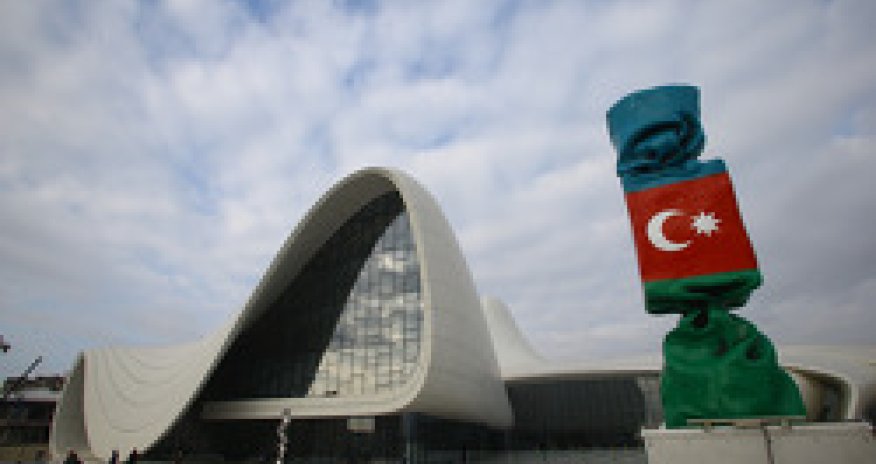
28.01.2016 12:00


Officials from the International Monetary Fund and the World Bank are heading to Azerbaijan to discuss a possible $4bn emergency loan package in what risks becoming the first of a series of bailouts stemming from the tumbling oil price.
The Baku visit, which follows a currency crisis triggered by the collapse in crude, comes amid concern at the two global institutions over emerging market producers from central Asia to Latin America.
The fund and the bank have also been monitoring developments in other oil-producing countries such as Brazil, which is now mired in its worst recession in more than a century, and Ecuador. The oil-driven crisis in Venezuela has even raised the possibility of repaired relations between the fund and Caracas, a city IMF staff last visited more than a decade ago.
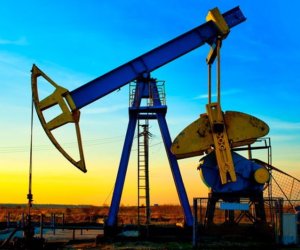
Azerbaijan depends on oil and gas for 95 per cent of its exports and the fallout of its currency weakness has sparked a series of protests across the country rattling the government of President Ilham Aliyev.
Last week the former Soviet republic became one of the first countries in the world to resort to capital controls in response to the collapse in oil prices, imposing a 20 per cent tax on exporting foreign currency.
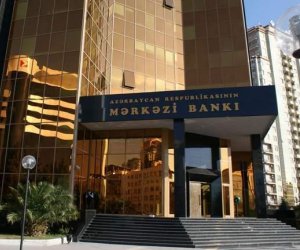
The Azerbaijani currency, the manat, has fallen 35 per cent since the central bank in late December abandoned a dollar peg after spending more than half its reserves in a year.
The IMF team would be in Baku from January 28 until February 4 for "a fact-finding staff visit at the authorities’ request”, an IMF spokesperson said. It would discuss possible "technical assistance” and "assess possible financing needs”. The financing package under discussion was worth about $4bn, people familiar with the discussions said.
A World Bank spokesman said the IMF and it were discussing with the government immediate and longer-term measures "in response to the pressure on the local currency and low oil prices”.
The World Bank predicted this week crude prices would average just $37 a barrel this year and warned of long-term consequences. It also issued a caution that both producers and commodity markets still faced the significant risk of a bigger than expected slowdown in major oil-consuming emerging economies like China.
"These are bad times for oil producers and their creditors,” Oxford Economics warned clients on Wednesday. "History provides reason for extreme pessimism on the likely fortunes of commodity producers; suggesting that [emerging markets] are prone to default and that commodity slumps are possibly the biggest cause of defaults.”
Christine Lagarde, the managing director of the IMF, began the year with a visit to Nigeria when she warned that Africa’s largest economy would have to confront "tough choices” and the reality of lower oil prices for some time.
Discussions with Baku are at an early stage and the Azerbaijani government may yet opt to go without support from the IMF, people familiar with the matter said.
While Azerbaijan’s central bank reserves have fallen dramatically in the past year, the country has little debt and a sovereign wealth fund with assets of $34.7bn at the start of October, more than 60 per cent of GDP.
However, the fall in oil prices has put the Azerbaijani economy under extreme stress. Elman Rustamov, the central bank governor, said last week that over the course of 2015 the country’s balance of payments had fallen from $17bn to "practically zero”. Moody’s, the credit rating agency, said last month it expected Azerbaijan to record a budget deficit of 5.5 per cent in 2016 after a 9.2 per cent deficit last year.
Representatives of the Baku government did not respond to requests for comment on Wednesday. Samir Sharifov, finance minister, said in an interview on Azerbaijani television broadcast over the weekend that government bonds issued on the domestic market would be "one of the sources” to cover the budget deficit.
Delegations from other international financial institutions, including the European Bank for Reconstruction and Development and the Asian Development Bank, are also due to arrive in Baku in the next few days.
(Financial Times)
www.ann.az


Similar news
Similar news



 Photo
Photo 


 Video
Video