




'Hacking nerves can control disease'
28.05.2020 23:10


Controlling human nerve cells with electricity could treat a range of diseases including arthritis, asthma and diabetes, a new company says.
Galvani Bioelectronics hopes to bring a new treatment based on the technique before regulators within seven years.
GlaxoSmithKline and Verily, formerly Google, Life Sciences, are behind it.
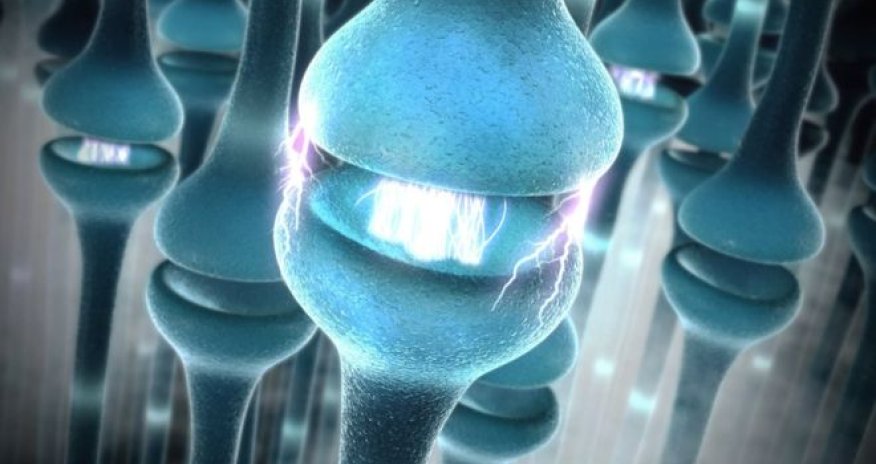
Animal experiments have attached tiny silicone cuffs, containing electrodes, around a nerve and then used a power supply to control the nerve's messages.
One set of tests suggested the approach could help treat type-2 diabetes, in which the body ignores the hormone insulin.
They focused on a cluster of chemical sensors near the main artery in the neck that check levels of sugar and the hormone insulin.
The sensors send their findings back to the brain, via a nerve, so the organ can coordinate the body's response to sugar in the bloodstream.
GSK vice-president of bioelectronics Kris Famm told the BBC News website: "The neural signatures in the nerve increase in type 2-diabetes.
"By blocking those neural signals in diabetic rats, you see the sensitivity of the body to insulin is restored."
And early work suggested it could work in other diseases too.
"It isn't just a one-trick-pony, it is something that if we get it right could have a new class of therapies on our hands," Mr Famm said.
But he said the field was only "scratching the surface" when it came to understanding which nerve signals have what effect in the body.
Both the volume and rhythm of the nerve signals could be having an effect rather than it being a simple case of turning the nerve on or off.
And even if the approach works theoretically, a huge amount of effort will be needed to make the technology practical.
The kits to hack the nerves will need to be miniaturised, customisable to different patients' nerves, durable enough to survive in the body long-term and have sufficient battery power.
Dr Famm added: "In 10 to 20 years I think there will be a set of these miniaturised precision therapies that will be available for you and me when we go to a doctor."
Verily chief technology officer Brian Otis said: "Bioelectronic medicine is a new area of therapeutic exploration, and we know that success will require the confluence of deep disease biology expertise and new highly miniaturised technologies.
"This partnership provides an opportunity to further Verily's mission by deploying our focused expertise in low power, miniaturised therapeutics and our data analytics engine to potentially address many disease areas with greater precision with the goal of improving outcomes."
(BBC)
www.ann.az


Similar news
Similar news












 Photo
Photo 



 Video
Video