





A ban on the niqab is contrary to British values - VIDEO
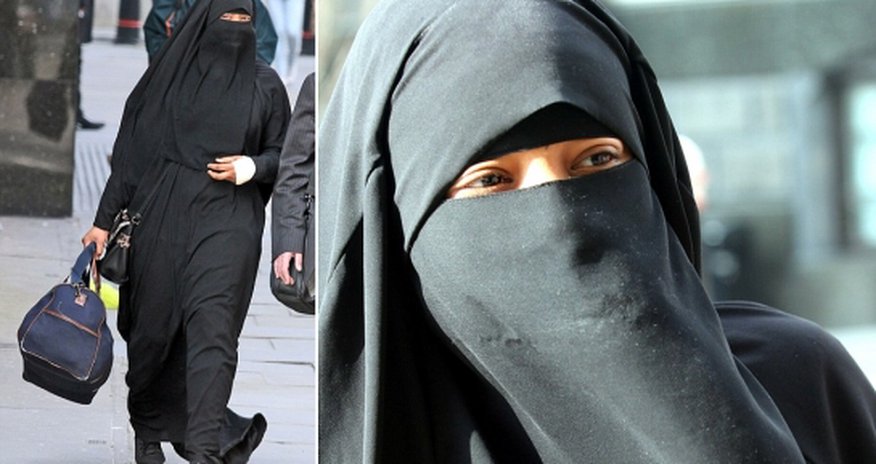


One might think that there is a wide-scale problem across the UK (the news certainly suggests it is), and that there are hordes of niqabi women. How many are there? We, er, don’t know. In the Guardian, Mona Chalabi advances one estimate of 7,300 (the number of adult women from countries where the niqab is prevalent), but notes that this is a crude and inaccurate approach; Channel 4’s FactCheck blog has no idea of the precise figure. In any case, it seems that we’re dealing with a very small minority of conservative Muslim women - just as in France. Moving towards policy decisions based on a small and unknown factual basis doesn’t seem like a very good model to follow, making it debatable whether we should ‘become a little more like the French’.Through my work on tackling and addressing anti-Muslim hate crime, I’ve heard time and time again - from those across the political spectrum - that simply issuing blunt bans on what we find objectionable isn’t helpful, whether it’s far right groups or political Islamist ones. Personally, I’m conflicted - while I’ve certainly encountered groups, speech, and acts that I find deeply objectionable, I also am drawn to liberal approaches to this, and counter-speech in our society. Therefore, rather than coming down absolutely against the niqab, I’d say that unpacking and debating this is most important.Forget the debate in the UK - what about the women themselves? As a Muslim man, it’s obviously not my place to speak for or represent Muslim women, especially niqabi Muslim women. But with those who I’ve worked with, they don’t feel less British, or isolated, or cut off from society - except by harassment and street abuse from people (usually men) who think they know best how women should behave. Some social commentators have talked about ‘the prevailing social norms’, suggesting that they militate against women covering their faces, just as we frown on throwing garbage out of the window, practicing polygyny , and engaging in female genital mutilation. One of these things is unlike the others, though - while the last three are violent and harmful practices, the first is (or at least, can be) an act of personal autonomy and religious expression. The European Court of Human Rights may come to one conclusion, but in a British context, I’d suggest that uncoerced freedom of conscience and expression are core (and long-fought) British values, as are ideas of women’s liberation and autonomy. Some socially conservative Muslim women may use that autonomy to follow what they see as their religious duty and identity.In pictures: Iranian women remove their hijabsUltimately, seeing the UK situation through a French political/cultural lens - or any lens that fails to account for this - is unhelpful, and we should stick firm to our ideas of state non-interference in uncoerced individual religious choices like these. Far from ‘live and let live’ - and the women in question certainly aren’t allowed to ‘let live’ by many passers-by in the street - this convoluted debate and thrashing-out of the relations of interpersonal relations and religious belief is actually valuable, and important. Just as other rights - like free expression - aren’t unilaterally done away with, but delineated through careful discussion, unilateral statements about religious and expression are also unhelpful.Of course there are questions to be raised in the debate around niqabi women. Do the majority of Muslim women in the UK wear the niqab? How much to they choose to do so (which ties into broader feminist questions about choice and autonomy)? Is the wearing of the niqab detrimental to the health and well-being of other communities, and to the nation as a whole? But alongside these are questions of proportionality, and unexpected impacts - would a ban on the niqab encourage these communities to accept certain interpretations of cultural norms? Would it bring better community cohesion? I’d would suggest ‘no’ to these important questions. No matter what you think of the niqab - I for one am no fan of conservative religiosity, or conservative religious symbolism, but that does not matter - backing a unilateral ban on wearing it in public spaces is not going to answer these questions. Ultimately, we must defend the right for women to freely wear what they want and when they want. That is fundamentally a British value.(independent.co.uk)Bakudaily.az












 Photo




 Video


