





Was Stonehenge built for rock music?
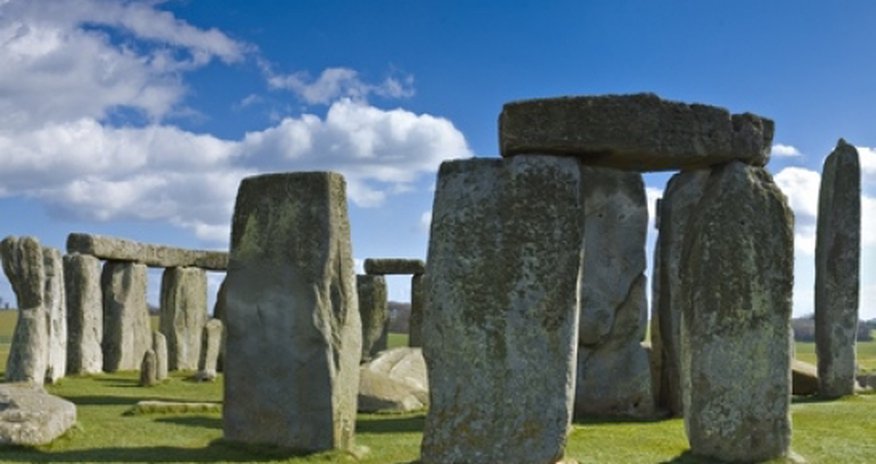


They also found a few of the rocks remaining at Stonehenge rang as well. The challenge they now face is providing good evidence that the bluestones were used for their musical quality. Sound is ephemeral, and disappears as soon as it is made, so it is difficult to know for sure that our ancestors used the stones as percussion instruments.Other instruments from other sites, however, provide solid evidence for ancient music-making. The oldest musical instruments are 40,000-year-old flutes made from mammoth ivory and bird bone discovered in Geissenkloesterle, a cave in southern Germany. Besides flutes, there is evidence of 30,000-year-old percussion and scraping instruments. And there are stones all over the world that create musical notes, including many with good archaeological evidence of prehistoric use.Rock gongs in the Serengeti emit harsh metallic clangs when they are struck with another stone. Some boulders are covered in hammered indents that evidence use, though it is difficult to date the music-making from these marks. At Kupgal Hill in Southern India there are ringing boulders of dolerite that display both percussive marks and Neolithic rock art. In a cave at Fieux à Miers in the south of France, there is a large, two-metre-high stalagmite that rings like a gong. Fractures from when it was struck have been dated to 20,000 years ago using the prehistoric artefacts found inside the cave and the layer of calcite that has slowly grown over the percussive marks in the intervening years.It has also been suggested that whole ancient structures were exploited acoustically. The pyramid of Kukulkan, at Chichén Itzá in Mexico, was built between the 11th and 13th centuries. On every side it has a long staircase running up the middle. Visit the site, and guides will delight in clapping at the foot of the stairs, which produces a squawking echo with a distinctive descending pitch. Acoustician David Lubman claims this echo mimics the call of the sacred and venerated quetzal bird, and could have been used by Mayan priests during ceremonies.There has been a heated debate about whether the acoustics within Stonehenge, created by the sound bouncing back and forth between the stones, were exploited by our ancestors. The reverberation created by the circles of stones could have embellished speech and music, as happens within an auditorium. If our ancestors did make music with the metallic clangs of the bluestones, it would have enhanced that as well.(theguardian.com)ANN.Az














 Photo




 Video


