



Iran aims to restart offshore oil exploration after six-year freeze
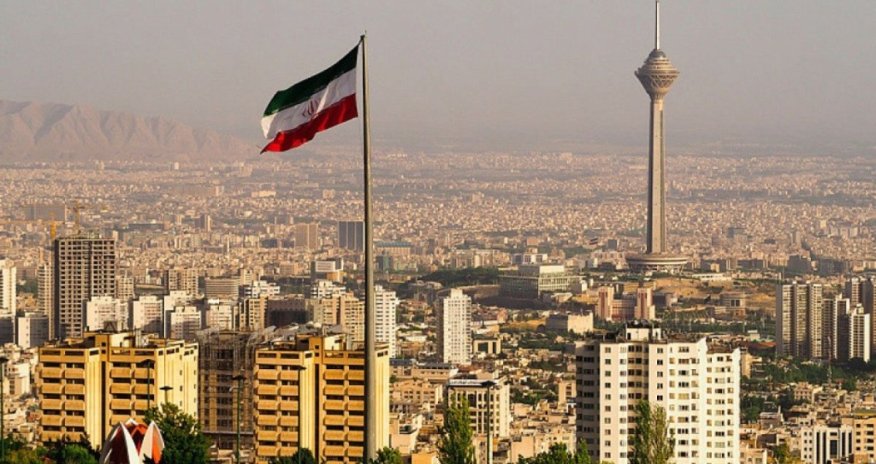


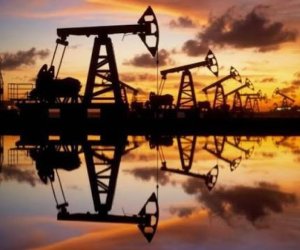
Iran is planning to revive offshore oil and gas exploration after a six-year pause, as regional competitors Saudi Arabia and the UAE accelerate their own offshore energy developments.
Mohiyeddin Jafari, head of exploration at the National Iranian Oil Company (NIOC), said earlier this month that the country had signed its first offshore rig contract in five years and expects operations to begin in shared maritime border zones by 2025.
The move comes as Saudi Arabia announced 14 new oil and gas field discoveries and the UAE secured a $1.6 billion offshore exploration agreement.
While Iran cited a shortage of rigs for the freeze, OPEC and Iranian energy ministry data indicate that rig numbers have held steady around 160 units, 20 of which are offshore. However, most were built by Western firms decades ago and many are no longer operational.
Financial limitations also remain a major hurdle. Annual investment in Iran's upstream oil and gas sector has fallen by half since US sanctions in 2018 — to around $3 billion from highs of $19 billion in the 2000s.
In the Caspian Sea, Iran remains the only littoral state without offshore production, as its only seismic vessel was destroyed in 2005 and its lone platform, Amirkabir, has been inactive for over a decade.
Meanwhile, other Caspian countries — Azerbaijan, Kazakhstan, Turkmenistan, and Russia — have ramped up offshore output. Arab Gulf states, particularly the UAE, have also begun investing in Caspian projects, including Turkmenistan’s and Azerbaijan’s offshore fields.
In the south, Iran lags behind in developing shared offshore fields with Saudi Arabia, the UAE, and Qatar. While Iran produces just 35,000 bpd from the shared Forouzan field, Saudi Arabia produces 18 times more and has invested $12 billion to expand output further.
Iran’s most significant offshore asset, South Pars — the world’s largest gas field — is shared with Qatar. Qatar began development a decade earlier and has extracted 2.5 times more gas. While Iran’s side of the field has entered natural decline, Qatar is investing $29 billion to boost production by 65% by 2030.
Despite these challenges, Iran hopes to regain ground in offshore energy production, but it faces a steep climb amid technical, financial, and geopolitical constraints.









 Photo
Photo 

 Video
Video