





Diabetes risk gene 'from Neanderthals'
26.12.2013 12:30


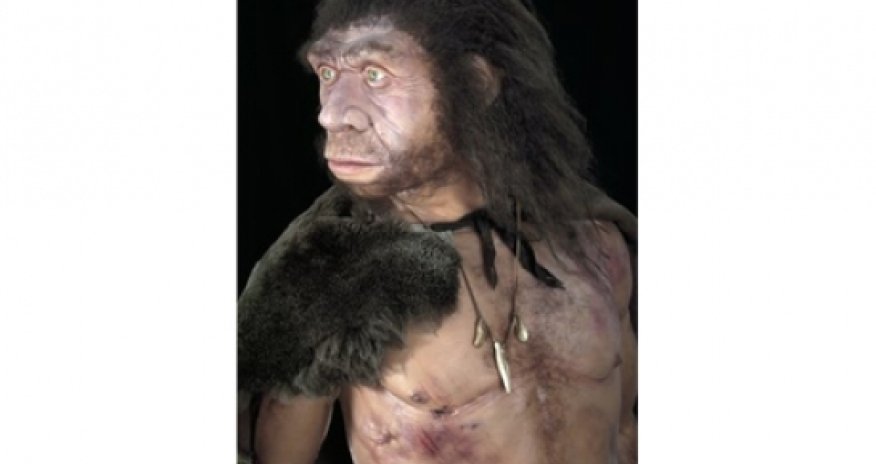
A gene variant that seems to increase the risk of diabetes in Latin Americans appears to have been inherited from Neanderthals, a study suggests.We now know that modern humans interbred with a population of Neanderthals shortly after leaving Africa 60,000-70,000 years ago.This means that Neanderthal genes are now scattered across the genomes of all non-Africans living today.Details of the study appear in the journal Nature.The gene variant was detected in a large genome-wide association study (GWAS) of more than 8,000 Mexicans and other Latin Americans. The GWAS approach looks at many genes in different individuals, to see whether they are linked with a particular trait.People who carry the higher risk version of the gene are 25% more likely to have diabetes than those who do not, and people who inherited copies from both parents are 50% more likely to have diabetes.The higher risk form of the gene - named SLC16A11 - has been found in up to half of people with recent Native American ancestry, including Latin Americans.Drug hopeThe variant is found in about 20% of East Asians and is rare in populations from Europe and Africa.The elevated frequency of this variant in Latin Americans could account for as much as 20% of these populations' increased prevalence of type 2 diabetes - the origins of which are complex and poorly understood."To date, genetic studies have largely used samples from people of European or Asian ancestry, which makes it possible to miss culprit genes that are altered at different frequencies in other populations," said co-author Jose Florez, associate professor of medicine at Harvard Medical School in Massachusetts."By expanding our search to include samples from Mexico and Latin America, we've found one of the strongest genetic risk factors discovered to date, which could illuminate new pathways to target with drugs and a deeper understanding of the disease."The team that discovered the variant carried out additional analyses, in collaboration with Svante Paabo of the Max Planck Institute for Evolutionary Anthropology. They discovered that the SLC16A11 sequence associated with risk of type 2 diabetes is found in a newly sequenced Neanderthal genome from Denisova Cave in Siberia.Analyses indicate that the higher risk version of SLC16A11 was introduced into modern humans through interbreeding between early modern humans and Neanderthals.It is not unusual to find Neanderthal genes. About 2% of the genomes of present-day non-Africans were inherited from this distinctive human group, which lived across Europe and western Asia from about 400,000-300,000 years ago until 30,000 years ago.But scientists are only just beginning to understand the functional implications of this Neanderthal inheritance."One of the most exciting aspects of this work is that we've uncovered a new clue about the biology of diabetes," said co-author David Altshuler, who is based at the Broad Institute in Massachusetts.SLC16A11 is part of a family of genes that code for proteins that transport metabolites - molecules involved in the body's various chemical reactions.Altering the levels of the SLC16A11 protein can change the amount of a type of fat that has been implicated in the risk of diabetes. These findings suggest that SLC16A11 could be involved in the transport of an unknown metabolite that affects fat levels in cells and thereby increases risk of type 2 diabetes.(BBC)ANN.Az


Similar news
Similar news











 Photo
Photo 



 Video
Video