




Global antibiotics 'revolution' needed
20.05.2016 15:00


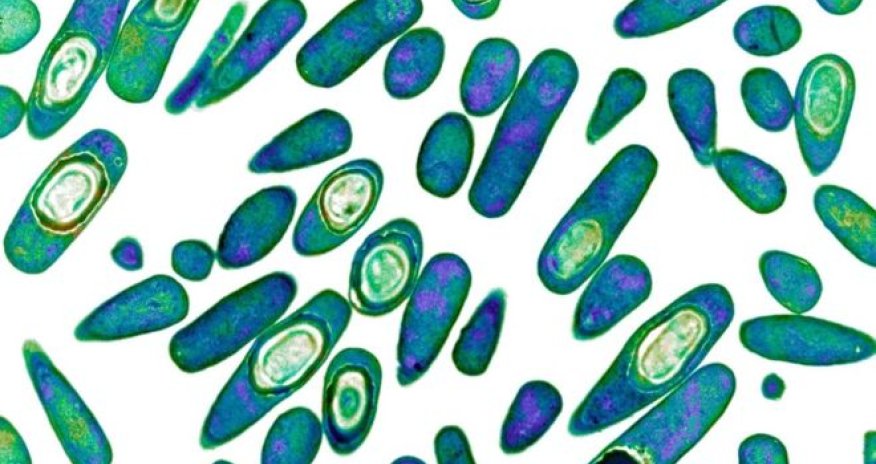
A global revolution in the use of antimicrobials is needed, according to a government backed report.
Lord Jim O'Neill, who led the Review on Antimicrobial Resistance, said a campaign was needed to stop people treating antibiotics like sweets.
It is the first recommendation in the global plan for preventing medicine "being cast back into the dark ages".
The report has received a mixed response with some concerned that it does not go far enough.
Superbugs, resistant to antimicrobials, are estimated to account for 700,000 deaths each year.
But modelling up to the year 2050, by Rand Europe and auditors KPMG, suggests 10 million people could die each year - equivalent to one every three seconds.
people could die each year - equivalent to one every three seconds.The report brings together eight previous interim reports that recommended:
An urgent and massive global awareness campaign as most people are ignorant of the risks
Establishing a $2bn ($1.4bn) Global Innovation Fund for early stage research
Improved access to clean water, sanitation and cleaner hospitals to prevent infections spreading
Reduce the unnecessary vast antibiotic use in agriculture including a ban on those "highly critical" to human health
Improved surveillance of the spread of drug resistance
Paying companies $1bn (£0.7bn) for every new antibiotic discovered
Financial incentives to develop new tests to prevent antibiotics being given when they will not work
Promoting the use of vaccines and alternatives to drugs
The review said the economic case for action "was clear" and could be paid for using a small cut of the current health budgets of countries or through extra taxes on pharmaceutical companies not investing in antibiotic research.
in antibiotic research.Lord Jim O'Neill, the economist who led the global review, said: "We need to inform in different ways, all over the world, why it's crucial we stop treating our antibiotics like sweets.
"If we don't solve the problem we are heading to the dark ages, we will have a lot of people dying.
"We have made some pretty challenging recommendations which require everybody to get out of the comfort zone, because if we don't then we aren't going to be able to solve this problem."
Eight years of hell
It is hoped the measures will prevent more people going through experiences like Emily Morris from Milton Keynes.
She has regular urinary tract infections that do not respond to some antibiotics and could cause kidney damage or even death.
She says: "With every sting and every pain, my heart sinks at the thought of how many antibiotics I have left to use this time.
"I've had the struggle of living with a resistance to antibiotics for nearly eight years of my life...there is a clear need for new antibiotics."
Pharma challenge
Exactly how to encourage the drugs industry to make new antibiotics has been a long running problem - there has not been a new class of antibiotics discovered since the 1980s.
A new antibiotic would be kept on the shelf for use in emergencies so a company could never make back its huge research and development costs.
John Rex, from the antibiotics unit at AstraZeneca, said a new way of paying for drugs, as proposed in the report, was needed.
He argued: "Such models should recognise antibiotics as the healthcare equivalent of the fire extinguisher - they must be available on the wall at all times and have value even when used only infrequently."
Not enough
But Dr Grania Brigden, from the charity Médecins Sans Frontières, said: "This report is an important first step in addressing this broad market failure, it does not go far enough."
MSF said infections resistant to drugs were a threat to their work around the world from the war-wounded in Jordan to newborns in Niger.
Dr Brigden added: "The O'Neill report proposes considerable new funding to overcome the failures of pharmaceutical research and development, but the proposals do not necessarily ensure access to either existing tools or emerging new products.
"Instead, in some cases, the report's solution is simply to subsidise higher prices rather than trying to overcome them."
(BBC)
www.ann.az


Similar news
Similar news










 Photo
Photo 



 Video
Video