




Fungal infection 'threat' to human health
05.07.2016 18:01


Fungal infections kill more people than malaria or breast cancer but are not considered a priority, say scientists.
Prof Neil Gow, from the University of Aberdeen, said more than one million people die from fungal infections around the world each year.
Yet there are no vaccines and there is a "pressing need" for new treatments, he said.
The warning comes as doctors in England say a new strain of fungi is causing outbreaks in hospitals.
There are more than five million types of fungi, but only three major groups cause the majority of deaths in people:
Aspergillus - which affects the lungs
Cryptococcus - which mainly attacks the brain
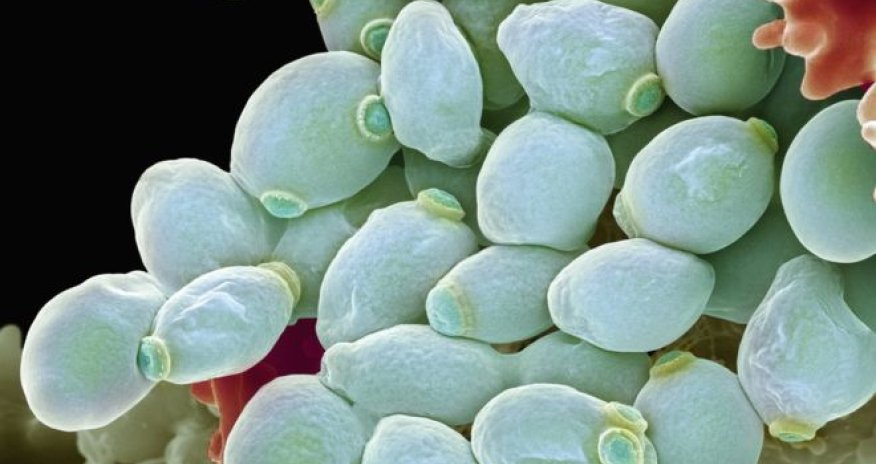
Candida - which infects mucosal membranes including in the mouth and genitals
Prof Gow said: "Most people know about mild fungal infections, but nobody's ever died from athlete's foot.
"However, a million people die a year from fungal infections and we need to understand these different types of infection and how to deal with them."
The infections are more deadly in people with weakened immune systems - such as patients with HIV - so the fungal problem is particularly acute in Africa.
"It's an underappreciated problem and it's a very serious challenge in the parts of the world least equipped to deal with it," Prof Gow added.
Patients having cancer therapy or who are taking immunosuppressant drugs after an organ transplant are also more susceptible to infection.
Speaking to the BBC at the Royal Society's Summer Exhibition, he said: "Fungi are extremely tough and manipulate the immune system to prevent themselves being recognised, they are very slippery customers."
New fungus
Meanwhile, health officials have warned of a new strain of Candida auris which has caused an outbreak affecting 40 patients in one hospital in south-east England.
The infection was first detected in 2009 in Japan, but has since been discovered across Asia and parts of south America.
Public Health England said "Candida auris appears to be unlike other pathogenic yeast species in its propensity for transmission between hospital patients" and warned it was resistant to the first choice anti-fungal drug.
Dr Berit Muller-Pebody, from Public Health England, said: "This species of Candida is emerging globally.
"We are monitoring it, but as it's an emerging pathogen it is very difficult to talk about trends.
"We needed to make the healthcare community aware of it as [doctors] now need to identify the species of Candida that require a more proactive approach."
(BBC)
www.ann.az


Similar news
Similar news










 Photo
Photo 



 Video
Video