




'Digital twins' will make decisions for us
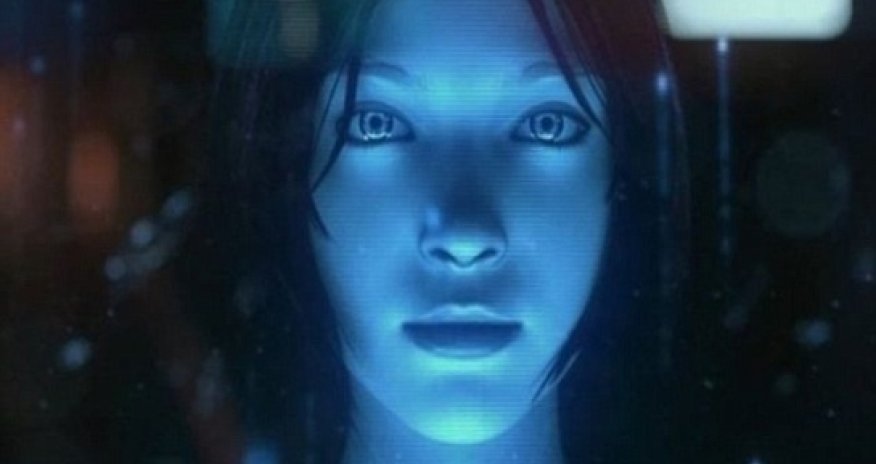


According to futurist John Smart, within the next six years many of us could have so-called ‘digital twins’ that schedule our appointments and even have conversations with others on our behalf.And they could one day console loved ones after we die by mimicking our voice, emotions, mannerisms and thoughts.Mr Smart, founder of the Acceleration Studies Foundation, made the comments during an interview with Business Insider.‘When you and I die, our kids aren’t going to go to our tombstones, they’re going to fire up our digital twins and talk to them.’He continued there are prediction apps and software that already carry out similar tasks – such as Siri and Google Now – and these services are only going to get smarter as algorithms, interfaces and processing power increases.The software in prediction apps is based on an algorithm that combines various snippets of information to form a prediction.In the case of personal-assistant apps, the software scans calendar entries to work out where a user is, or should be.It combines this with location data, taken from the phone or tablet’s GPS unit, as well as posts on social networks, email information and more. It then presents the user with the help it thinks they need.For example, if a calendar on an Android phone contains a diary invite, Google Now will create a reminder.It will then check to see whether the user is en route to the meeting and add directions to this reminder, or work out how long it will take them to get there based on current traffic.Elsewhere, as users pass bus stops, prediction apps can show bus timetables, show the latest deals as they enter a supermarket, or open a digital boarding pass as they approach an airport.Mr Smart believes that digital twins could additionally learn our likes and dislikes from emails, messages and verbal feedback, in the way that machine learning currently does.IBM’s Watson supercomputer uses machine learning, as does ‘Eugene Goostman’ - a computer program that was able to trick users it was a teenage boy, leading to claims it had passed the Turing test.Watson won the TV game show Jeopardy, in 2011, by answering general knowledge questions posed in natural language.More recently it has been used as a customer call centre agent and can learn a customer's needs. (dailymail.co.uk)Bakudaily.Az









 Photo
Photo 


 Video
Video