



Azerbaijan expects agricultural exports to rise 33% by 2030 under new state programme


Azerbaijan expects exports of agricultural, fisheries and processed food products to increase by an average of 33% under a new state programme covering 2026-2030, Deputy Agriculture Minister Zaur Aliyev said.
According to Aliyev, the programme, approved by President Ilham Aliyev, is aimed at ensuring sustainable development of the agricultural sector, accelerating the transition to intensive and competitive production, strengthening agricultural value chains and improving farmers’ access to modern services.
He said the programme envisages average annual growth of at least 2% in agricultural gross domestic product (GDP) during 2026-2030.
As part of efforts to strengthen food security, Azerbaijan plans to increase average wheat yields in specialised districts to 50 centners per hectare by 2030, which is expected to raise production by around 20% and improve self-sufficiency levels.
The programme also targets average cotton yields of 50 centners per hectare in specialised regions and a fourfold increase in cotton processing output by 2030.
Aliyev said the area covered by modern irrigation systems is expected to expand from 130,000 hectares to 300,000 hectares, while intensive and super-intensive orchards will increase by an additional 20,000 hectares.
To boost exports, the government plans to support greenhouse expansion, establish the East Zangezur pilot greenhouse agropark in Jabrayil district, and build additional cold storage facilities with a capacity of 100,000 tonnes and modern grain silos capable of storing 150,000 tonnes.
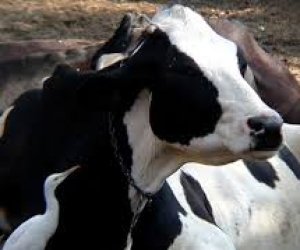
The programme also focuses on livestock development. The share of high-productivity breeds in the national herd is expected to reach 10%, while milk production is projected to increase by around 10% and meat production by 20%.
Azerbaijan also aims to achieve full self-sufficiency in mutton production through the expansion of sheep farming.
In addition, poultry production is expected to increase by around 30%, while fisheries and aquaculture output is projected to reach 7,700 tonnes by 2030.
Aliyev said implementation of the programme would improve productivity and competitiveness in agriculture, expand employment opportunities in the regions and strengthen the country’s food security.
N.Tebrizli












 Photo
Photo 


 Video
Video