





Could this be a dieter's best friend?
27.11.2013 16:30


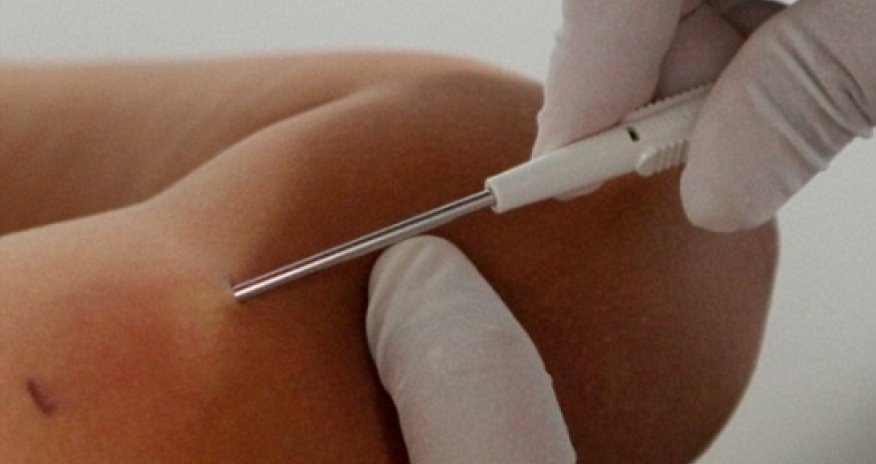
A computer chip that could be implanted in an obese patient’s arm to help weight-loss is being developed by scientists.It would constantly check for fat in the blood and, when someone has eaten too much, release a hormone that sates hunger.In tests on mice, an early version of the device led to obese creatures eating less fatty food and shedding weight. Notably, the device stopped releasing the diet drug when they reached a normal weight. The Swiss researchers hope that within five to ten years they will have a version the size of a coin that can be slipped under the skin of a slimmer’s arm.The journal Nature Communications reports that the chip contains two genes that work together to keep appetite in check. The first monitors fat levels in blood. When they get too high, it tells the second to make the appetite suppressant.The chip’s inventor, Professor Martin Fussenegger, said chips containing other combinations of genes could be developed to tackle other illnesses.If effective, it would provide an alternative to diet pills, which have to be taken several times a day, as well as to expensive and invasive obesity survey such as gastric banding. It is also hoped it will be free of major side-effects.In Britain, just 34 per cent of men and 39 per cent of women are of a healthy weight.Being obese can knock up to nine years off a person’s life and raise the risk of a host of health problems, including diabetes, heart disease, stroke, infertility, depression and some cancers.A spokesman for the researchers said: ‘Humankind has a weight problem.‘According to the World Health Organisation, over half the population in many industrialised countries is overweight, one in three people extremely so.‘Not only is high-calorie and fatty food a lifetime on the hips, backside and stomach; it also leaves traces in the blood, where various fats ingested via food circulate.‘Increased blood fat values are considered a risk factor for heart attacks and strokes.’Subject to funding, the chip could be tested on people for the first time in around three years.If it is shown to be safe and effective, it could be widely available a few years afterwards.However, British experts warned that it will be difficult to create a chip that leads to large amounts of weight being lost and works long-term.(dailymail.co.uk)ANN.Az


Similar news
Similar news










Latest news 
More news

 Photo
Photo 



 Video
Video