



Who's at the controls of Iran's bot army?
16.03.2016 12:30


A group of Twitter accounts seems to be designed to pump out crude Iranian propaganda aimed at an English-speaking audience - but the people behind it and their true motivations are a mystery.
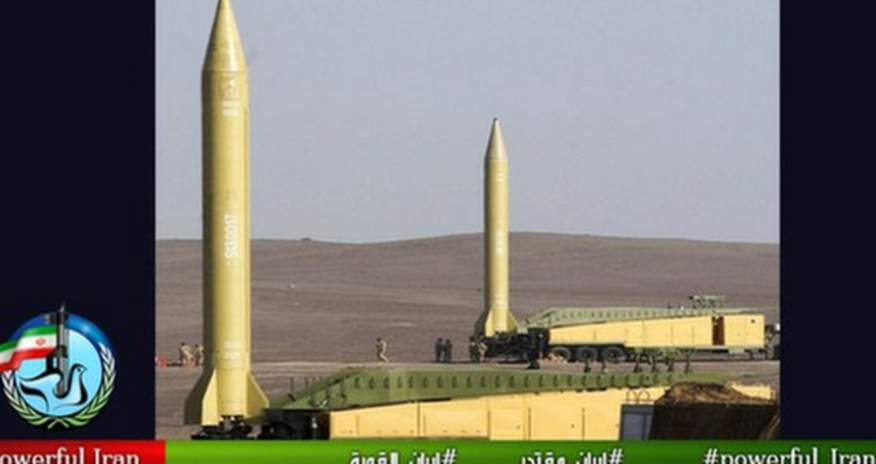
Dozens of accounts tweet to thousands of followers in waves every few minutes throughout the day using the hashtag "Powerful Iran". Their profile pictures are Hollywood celebrities or stock photos, but their tweets almost always include pictures of Iranian military equipment along with random and sometimes seemingly irrelevant hashtags:
All of the tweeted photos bear a logo showing a dove with a rifle on its back bearing the Iranian flag. They also include a caption using the "Powerful Iran" hashtag in three languages: English, Arabic and Persian.
So who's behind this Twitter bot army? BBC Trending traced the logo to a blog, a Twitter account and Google+ profile with very little personal information. Messages sent to the blogger went unanswered.
There are, however, a few clues as to the motivation of whoever is behind this odd bot army. The tweets are in English, indicating that the accounts are targeting a Western audience. And the hashtags the accounts use - along with "Poweful_Iran" which appears on nearly all of the tweets - cover a range of countries, media outlets, political slogans and other issues. For instance the tweets include hashtags such as #Israel, #CNN, #Gaza, #BBC and others.
Curiously though, the tweets don't use "@" mentions to tweet at individual accounts, which would at least bring the messages to the attention of other Twitter users.
"The campaign attempts to leverage hashtags related to the U.S. government (#FBI, #CIA), Israel, Saudi Arabia, and some conservative U.S. hashtags," says John Little, a security and intelligence expert who writes at Blogs of War. "It also bizarrely attempts to leverage hashtags from popular culture such as #GreaseLive which appears in several tweets."
Whatever the intention, Little points out, the campaign itself is far from sophisticated.
"In terms of effectiveness the campaign is a miserable failure. Almost all of the tweets have gone unnoticed and have no retweets or favourites. The few interactions that I can find also appear to be faked by other bots. In fact, a review of the top tweets for the hashtag reveals that a large number of them are my tweets exposing the campaign."
Little says the tweets reflect themes - themes that happen to coincide with the preoccupations of the Iranian clerical establishment, such as threats to destroy Israel and shut down sea traffic in the Persian Gulf, suggestions that Israel and Saudi Arabia are working together, and repeated assertions that Iran is a major military player on the world stage.
It's not the first time that a co-ordinated campaign seems to have originated from Iran, directed at Twitter users in the Western world. Last year, the hashtag "Letter4u" was used by many bot-like accounts following the release of an open letter by Iran's supreme leader addressed to Western youth.
According to Morgan Carlston, who blogs about Iran at The Map is not the Territory, the Twitter campaign around the letter was on a larger scale than the "Poweful Iran" surge, although there are some notable similarities between the two. "Letter4u" was also launched by an army of bots using photos of celebrities and also used a similar range of seemingly random hashtags.
Carlston says it's possible that the bot network is being operated by the Iranian government, but he's not entirely convinced.
"There are so many layers in Iran's deep state (not to mention the regime itself), where the level of coordination and how high up the orders came from is hard to know definitively," he says. "This type of bot system could be created by one person."
There may be another clue in the fact that the hashtag "Powerful_Iran" seems to have gained momentum following the implementation of the nuclear deal between Iran and the West, which many hardliners in the country are opposed to because they believe it's against Iran's national interests and has given Western countries the upper hand. The deal allows the International Atomic Energy Agency to monitor Tehran's nuclear facilities and has put an end to some controversial parts of Iran's nuclear activities.
(BBC)
www.ann.az


Instagram
Follow us on Instagram





 Photo




 Video


