





WORST foods for your skin
01.01.2015 18:10


A peachy complexion isn't just about the creams you slather on your face - it's also about what you pile on your plate.
‘The best weapon against skin ageing is your fork,’ explains top nutritionist and skin specialist, Karen Fischer.
‘Eating the right foods supplies your skin with the nutrients it needs to produce new collagen, fight AGEs and look healthier and younger,' Ms Fisher said.
Sugar can cause damaging molecules called Advanced Glycation End products (or AGEs) to form in skin, causing premature ageing.
But it's not the only trigger, as experts warn saturated fat, dairy products and alcohol should be avoided.
Rice cakes were hailed as the favourite food of supermodels - who claimed their low levels of fat made them a quick route to a thin physique.
But we now know rice cakes, like any other unnaturally white foods, are refined carbohydrates, broken down into sugar by the body.
Too much sugar in the blood causes glucose molecules to attach to the proteins in collagen - a protein that allows skin to stay supple - to form destructive molecules called Advanced Glycation End products (or AGEs).
These sticky brown compounds stiffen the otherwise elastic fibres in the skin, creating lines, blotches and wrinkles.
The more sugar a person eats, the more AGEs develop.
Dermatologist, Dr Ross Perry, of the Cosmedics Skin Clinic in Harley Street, London, told MailOnline cheese can trigger skin problems
'This is perhaps due to the fat content,' he said.
'Stiltons and blue cheese tend to be the worst, perhaps due to the strength of them. Other rich foods such as Port can also have an affect like this.'
Researchers suggest one theory for this is that saturated fat increase levels of omega-6 fatty acids in the body, which compete with another type of fat, omega-3.
If levels of these two fats are not balanced in the body, more inflammation and acne occurs.
Eating high GI foods - foods that are absorbed into the bloodstream quickly - is thought to have a direct effect on the severity of acne because of the hormonal fluctuations that are triggered.
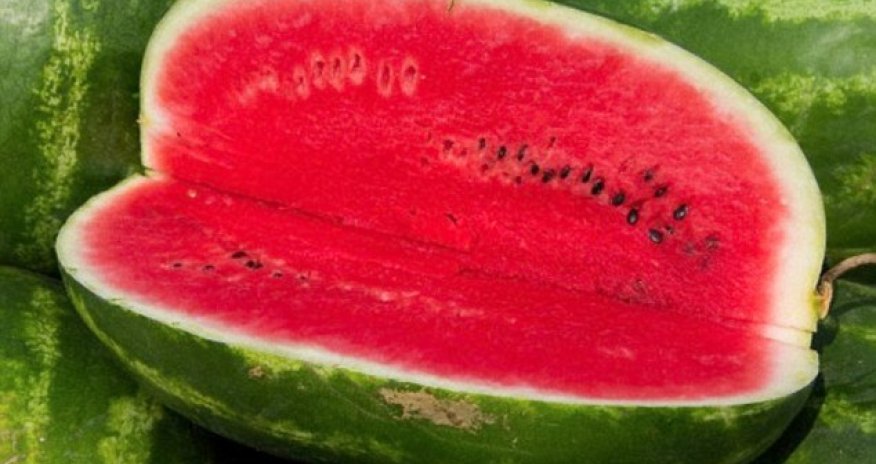
These foods include watermelons and dates, as well as the usual white refined sugar suspects.
High GI foods cause a spike in hormone levels including insulin which is thought to instigate production of sebum - the oily substance which blocks pores, causing spots.
A 2007 Australian study showed that young males who were put on a strict low GI diet noticed a significant improvement in the severity of their acne.
A 2002 study published in the Archives of Dermatology found people living in the Kitavan Islands (off the coast of Papua New Guinea) and the Aché hunter-gathers of Paraguay do not suffer from acne and this is associated with their low glycemic diet, consisting mainly of fresh fruits, vegetables, and lean proteins.
MILK
Milk is thought to affect acne because of the hormones it contains. A 2007 study carried out by Harvard School of Public Health found that there was a clear link between those who drank milk regularly and suffered with acne.
Interestingly, those who drank skimmed milk suffered with the worst breakouts, with a 44 per cent increase in the likelihood of developing blemishes. It is thought that processing the milk increases the levels of hormones in the drink.
A more recent study, published in 2012 in the Journal of the American Academy of Dermatology found the risk of moderate to severe acne 'increased with increased milk consumption,' with an odds ratio of 1.78 with a stronger connection seen between skimmed milk than whole fat milk.
Dermatologist Sam Bunting told MailOnline she always suggests minimising dairy intake as it seems to contribute to an acne flare.
(dailymail.co.uk)
ANN.Az


Similar news
Similar news











 Photo
Photo 



 Video
Video