



Decoding the Symbolic Canvas at the Aliyev-Pezeshkian Meeting in Bishkek
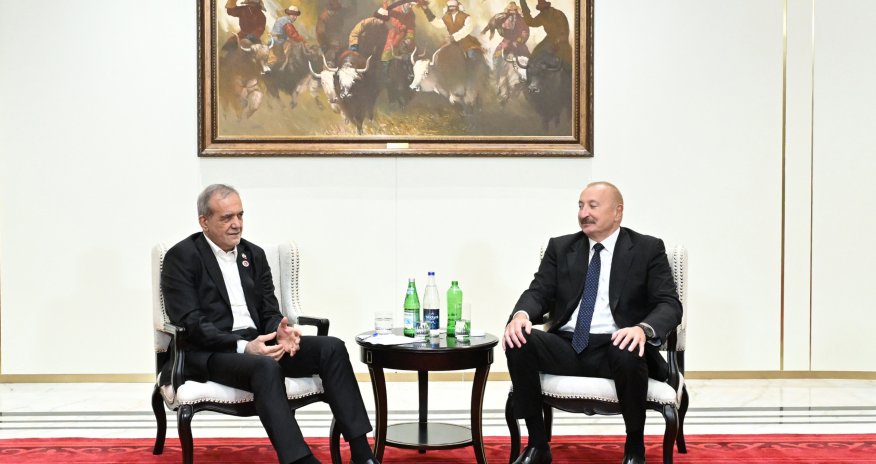


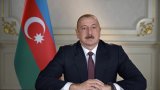
The painting displayed behind Azerbaijani President Ilham Aliyev and Iranian President Masoud Pezeshkian during their bilateral meeting in Bishkek was a carefully placed cultural narrative rather than simple decor, according to an analysis by Turkish outlet GZT highlighting four key motifs rooted in Turkic heritage and independence.
Departing from the conventional horses of the Eurasian steppe, the artwork features yaks — an explicit reference to the rugged Tian Shan highlands, where extreme cold, high altitude, and low oxygen make these resilient animals indispensable for transport and survival.
Riders on the canvas wear the traditional white felt "ak-kalpak," widely recognized as an enduring hallmark of Kyrgyz national identity and ancestral continuity.
The composition also depicts "berkutchis" (eagle hunters), spotlighting an ancient nomadic hunting craft that has symbolized human harmony with unforgiving natural terrain across centuries.
Completing the visual narrative, golden eagles and figures with upraised arms evoke the ideals of freedom and sovereignty prominent in Central Asian state heraldry, framing the high-level meeting against a backdrop of shared history, regional culture, and independence.





 Photo
Photo 
 Video
Video