


Russia GDP growth seen at slowest since 2009
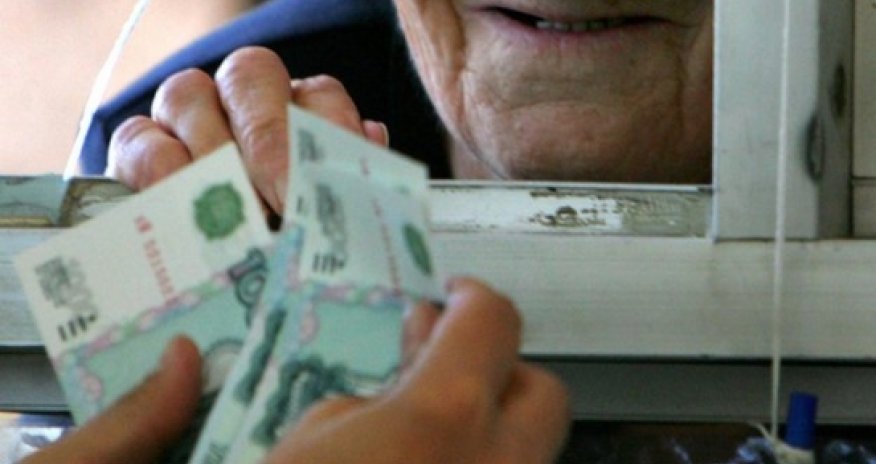


(Bloomberg) - Russia’s third-quarter economic growth was the slowest since a 2009 contraction as the slumping price of crude oil and the ruble’s plunge added to the effect of sanctions over Ukraine, a survey of economists showed.
Gross domestic product grew 0.3 percent from a year earlier after expanding 0.8 percent in the previous three months, according to the median estimate of 20 economists in a Bloomberg survey. The statistics office in Moscow will release the data tomorrow or Nov. 14.
The economy is buckling under the weight of sanctions, while the plummeting ruble stokes inflation and the sinking price of oil erodes export revenue. The Bank of Russia, which has struggled to cushion the world’s worst currency decline during the past three months, this week said growth may be zero next year.
“The slowdown over the past few months has been broad-based,” Neil Shearing, chief emerging-markets economist at Capital Economics Ltd., said by e-mail. “The impact of sanctions, lower oil prices, tightening credit conditions and rising inflation mean that the economy will probably be in recession by the end of this year.”
The ruble has lost more than 22 percent in the past three months, the worst performance among more than 170 currencies tracked by Bloomberg. The central bank has canceled regular interventions on the currency market and said it will temporarily limit ruble liquidity to prop up the falling ruble.
The currency’s slide has been exacerbated by sanctions the U.S. and its allies imposed over the crisis in Ukraine, which accelerated capital flight and fueled inflation.
With oil prices near a four-year low, Russian President Vladimir Putin is struggling to ignite growth.
The economy will expand 0.3 percent and inflation will remain above 8 percent this year, according to the central bank’s estimates. GDP will stagnate in 2015, with oil prices averaging $95 per barrel and inflation slowing to 6.2 percent to 6.4 percent, according to the monetary authority’s base-case scenario published Nov. 10, which assumes sanctions staying in place through the end of 2017.
The Bank of Russia has increased the key rate four times this year to 9.5 percent last month from 5.5 percent in February, putting further pressure on the economy.








 Photo
Photo 

 Video
Video