





Nipah virus and global exposure: is Azerbaijan immune to the risk?
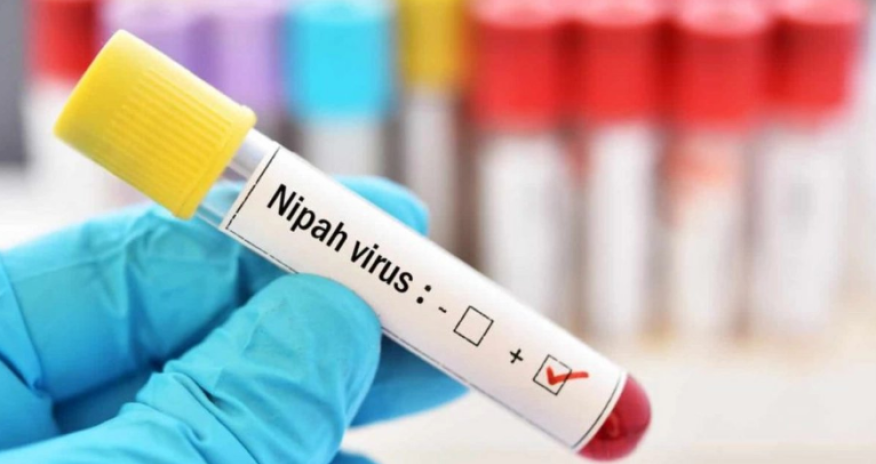


Recent reports of Nipah virus infections in eastern India have once again drawn attention to the fragility of global health security. Although rare, the virus is known for its extremely high fatality rate, making any outbreak a matter of international concern — especially when healthcare workers are affected.
Authorities in India’s West Bengal state have confirmed several infections among medical staff, with one case described as critical. Dozens of people who came into contact with the infected individuals have been placed under quarantine. While no cases have been reported outside India so far, several Asian countries have already stepped up health screenings at airports and tightened emergency preparedness in hospitals.
First identified in the late 1990s, Nipah is a zoonotic virus transmitted from animals to humans, often through close contact or contaminated food sources. Its greatest danger lies not only in its lethality, but also in the difficulty of early detection, which complicates containment efforts.
For Azerbaijan, this development is not merely distant news. In recent years, India and Southeast Asia have become increasingly important destinations for Azerbaijani citizens — whether for tourism, education, business or medical travel. Expanding air connections and international cooperation place the country firmly within global mobility networks.
Risk is further amplified by the nature of travel itself. Long-term stays, professional assignments and visits to regions with limited healthcare infrastructure increase the likelihood of exposure to zoonotic diseases. In such conditions, even isolated outbreaks can quickly acquire cross-border significance.
At present, there is no confirmed threat of Nipah virus transmission in Azerbaijan, and authorities have not issued any alerts. However, global experience shows that preparedness matters most before a crisis unfolds. Border monitoring, cooperation with international health bodies and rapid-response capabilities remain essential safeguards.
For individuals, the situation serves as a reminder that awareness and precaution are critical components of personal safety. In a world where distance is measured in hours rather than borders, health risks travel faster than ever.
N.Tebrizli












Latest news 
More news

 Photo
Photo 



 Video
Video