





Azerbaijan limits card-to-card transfers as expert warns of shift towards cash
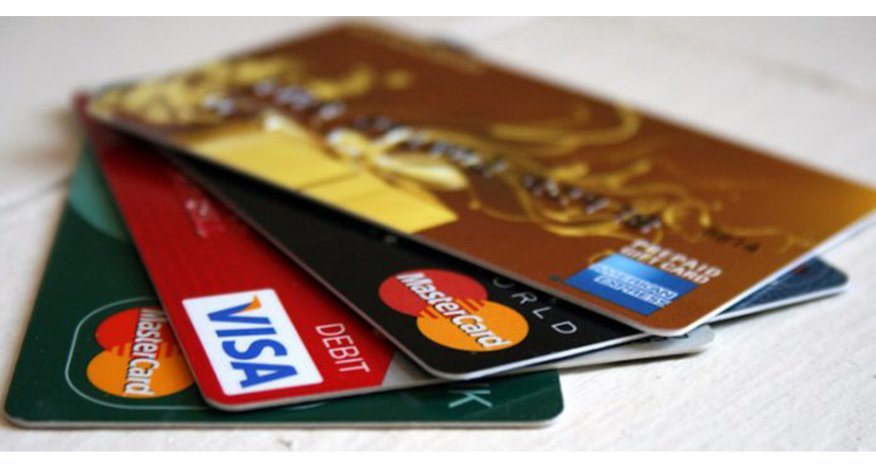


New restrictions on card-to-card transfers took effect in Azerbaijan on August 1 under an arrangement between the central bank and commercial banks, local media reported.
Customers may now make no more than five outgoing transfers and receive no more than five incoming transfers per day. There is no daily value cap, but total monthly transfers are limited to 20,000 manats. Transfers between a customer’s own cards and accounts are exempt.
Limits have also been introduced for electronic wallets. A customer may hold no more than two manat-denominated wallets and one wallet in each foreign currency.
Azər Türk Bank is so far the only bank to have publicly announced the new rules. No separate central bank decision or detailed public statement explaining the restrictions could be found on the regulator’s website.
The measures are intended to combat fraud, tax evasion, money laundering and the use of bank cards for illegal gambling activities.
Banking expert and lawyer Akram Hasanov said the stated objectives were legitimate but questioned the mechanism chosen to achieve them. He argued that Azerbaijan should rely on risk-based digital monitoring and a comprehensive income declaration system rather than blanket transaction limits.
In countries with developed financial monitoring systems, individuals regularly declare their income and its sources, he said. If money received through bank accounts does not correspond to declared income, tax or law enforcement authorities can request an explanation and investigate.
Azerbaijan does not have a universal income declaration system, while a legal mechanism requiring public officials to disclose their income has not been effectively implemented, Hasanov said. As a result, the authorities are using broad limits that affect both suspicious and legitimate transactions.
He also questioned whether restrictions directly affecting citizens should be introduced through an agreement between the central bank and commercial lenders.
“How can it be said that the central bank reached an agreement with the banks? It would mean that banks voluntarily accepted restrictions that reduce their own turnover. In a normal market economy, restrictions directly affecting citizens’ rights should be established by law,” he said.
Hasanov said most people were unlikely to be significantly affected because they did not make more than five transfers a day or send 20,000 manats a month. The limits could, however, create difficulties for micro-entrepreneurs who receive customer payments through personal cards.
Such users may seek to circumvent the rules by receiving payments through relatives’ cards or by returning to cash, he said. Hasanov described this as the main potential consequence of the restrictions.
“The state could at least see cashless transactions before. Payments above the limit may now simply move into cash, and the state will no longer see them,” he said.
The rules could also interfere with legitimate transfers between individuals. A person seeking to repay a documented debt of 25,000 manats, for example, would be unable to complete the payment through a single card-to-card transfer because of the monthly cap.
Hasanov said the authorities should allow such transactions and examine the source of funds and the genuine purpose of the payment when risk indicators emerge.
He argued that efforts to reduce the shadow economy should be based on income declarations, targeted monitoring of suspicious transactions and individual risk assessments rather than uniform restrictions on all customers.
N.Tebrizli













 Photo
Photo 



 Video
Video