





How to Distinguish Banned Vapes from Heated Tobacco Devices?
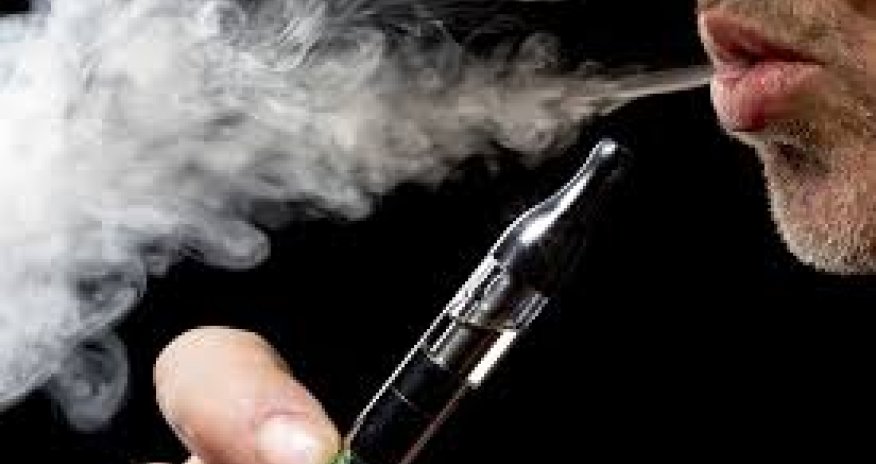


A few years ago in Baku, electronic cigarettes were considered part of a new urban culture, and colorful, fruit‑flavored vapes marketed as “harmless” became fashionable among schoolchildren and students.
As of April 1, 2026, the situation changed. The import, sale, storage, and use of electronic cigarettes were banned in Azerbaijan. However, this ban did not apply to heated tobacco devices. Although they may look similar at first glance, these products operate based on completely different technologies.
Why Do Vapes Raise Greater Concerns?
The main problem with electronic cigarettes is not nicotine alone. Vapes operate by vaporizing nicotine‑containing liquid. This liquid may contain flavorings, chemical additives, and various substances, the origin and quality of which are not always known. Users often do not know exactly which substances they are inhaling.
Illegally sold products on the market pose an even greater risk. With such devices, it is virtually impossible to exercise real control over the composition of the liquid, nicotine levels, or additional ingredients. Another serious concern is the rapid spread of vapes among young people. Fruit flavors, bright designs, and the image of a “harmless alternative” turned electronic cigarettes into an attractive product for adolescents rather than a tool for quitting smoking. This is precisely why many countries are tightening regulations on vapes or imposing complete bans.
How Are Heated Tobacco Devices Different?
Heated tobacco devices work on a different principle. These devices use real tobacco rather than liquid. The tobacco is not burned but only heated — and this is the most important distinction. In conventional cigarettes, most harmful substances are produced during the combustion process. When tobacco is heated, combustion does not occur, and neither ash nor smoke is produced. For this reason, such products are regulated as a separate category in some countries and are considered less harmful alternatives for adult smokers.
Of course, these products are not risk-free. They also contain nicotine and cause nicotine dependence. However, the key difference is that the absence of combustion reduces the level of harmful substances entering the body compared to traditional cigarettes.
Currently, Azerbaijani legislation has several product categories for the nicotine containing products: cigarettes, cigarillos, cigars, heated tobacco products, other smoking tobacco, chewing and sniffing tobacco and tobacco for hookas.
Can People Tell These Products Apart?
Surveys show that in most cases, they cannot. Both products take the form of small electronic devices, operate on batteries, and do not produce smoke or ash. As a result, many people consider vapes and heated tobacco devices to be the same product. However, the difference is quite simple: a vape vaporizes liquid, while a heated tobacco device heats tobacco without burning it.
This difference is not only technical but also important from a health and regulatory perspective, as the two products belong to separate categories under the law. While electronic cigarettes are banned, heated tobacco products are not prohibited by law.
Vapes tend to attract new users — especially young people — into nicotine consumption. Heated tobacco devices, on the other hand, are primarily viewed as a less harmful alternative to traditional cigarettes for adult smokers who already smoke.
Why Is Proper Distinction Important?
Azerbaijan’s ban on electronic cigarettes shows that the state is now applying a more differentiated approach to the nicotine market rather than a blanket one. Vapes are considered a more dangerous segment due to their non‑transparent composition, spread among young people, and risks associated with the illegal market.
Heated tobacco devices, meanwhile, are treated as a separate technology. The key issue here is offering adult smokers a less harmful alternative that does not involve combustion. From this perspective, the main challenge is not only prohibition but also education. Consumers need to understand which product they are using, how it works, and what the associated risks are. Devices that may look similar are not the same.
That is the fundamental difference between vapes and heated tobacco devices.
Naila Balayeva














 Photo
Photo 



 Video
Video