





Have archaeologists discovered where Jesus was sentenced to death?
07.01.2015 10:58


The exact spot upon which Jesus stood as he was sentenced to death, may have been pinpointed by archaeologists in Jerusalem.
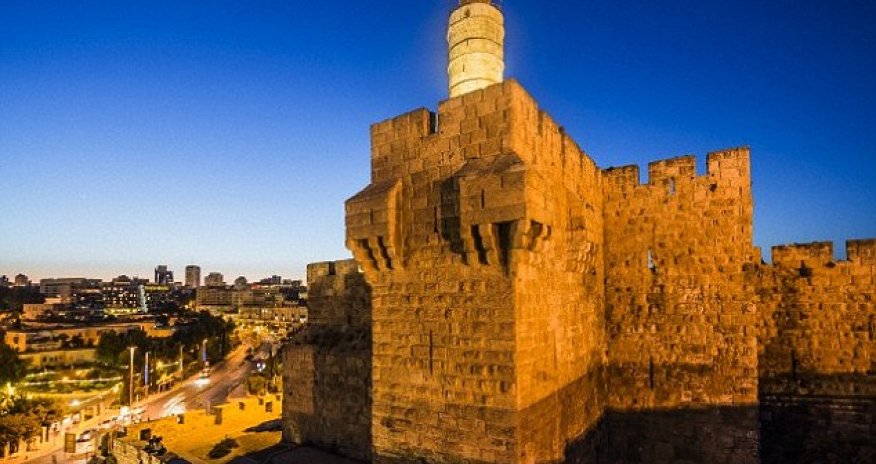
Discovered around 15 years ago, the remains of Herod the Great’s palace have been carefully examined and a place between a gate and uneven stone pavement has been identified as fitting the description of the event in the Gospel of John.
Pilgrims and tourists will be able to visit the Biblical site, because tours are being offered by the Tower of David Museum, which is located nearby.
While historians largely agree that Herod’s palace stood in the west of Jerusalem’s Old City, whether Jesus was sentenced to death by Pontius Pilate inside it, is the subject of much debate.
This is mainly due to differing interpretations of the Gospels.
The Gospel of John describes the trial of Jesus taking place near a gate and uneven pavement, which some archaeologists, including Shimon Gibson, an archaeology professor at the University of North Carolina at Charlotte, believe matches evidence at the site.
‘There is, of course, no inscription stating it happened here, but everything - archaeological, historical and gospel accounts - all falls into place and makes sense,’ he said.
The Reverend David Pileggi, minister of Christ Church located nearby the museum, told the newspaper that the discovery confirms ‘what everyone expected all along, that the trial took place near the Tower of David.’
However, not everyone is convinced. Some experts say that the Gospel’s use of the word ‘praetorium’ - which means general’s tent in military barracks in Latin - suggests the pivotal trial took place in the Antonia Fortress.
The fortress lies in the north eastern part of the old city, near Temple Mount.
Despite some uncertainty, it's thought that the prison will become a visit on the pilgrim trail.
Eilat Lieber, Director of the Tower of David Museum, says the museum is working with tour guides to explain the history and significance of the remaining ruins.
However, Reverend Pileggi doesn’t think that the prison will become a major site of pilgrimage.
‘What makes a place holy is the fact that people have gone there for hundreds of years, prayed, cried and even celebrated there, so I don’t think there will be changes to the route anytime soon,’ he said.
(dailymail.co.uk)
ANN.Az












Latest news 
Society
18:00
Business
17:00
Political News
12:29
Business
11:30
Political News
10:00

 Photo
Photo 



 Video
Video