



Brazil 2014: World Cup dengue fever risk predicted
19.05.2014 10:50


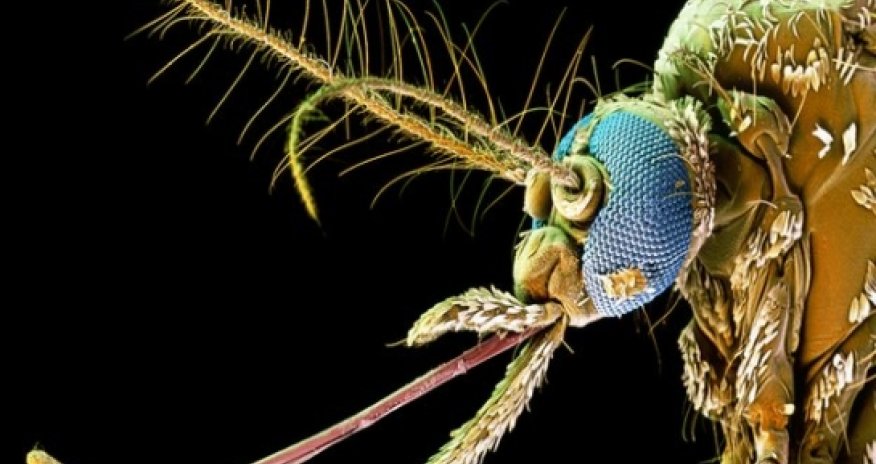
Scientists have developed an "early warning system" to alert authorities to the risk of dengue fever outbreaks in Brazil during the World Cup.The analysis, published in The Lancet Infectious Diseases, estimates the chances of an outbreaks of the mosquito-borne infection disease.They say the risk is high enough to warrant a high-alert warning in three venues - Natal, Fortaleza and Recife.If they come top of their group, England will play in Recife on 29 June.About a million fans are expected to travel to the 12 different cities hosting matches during the World Cup, which runs from 12 June to 13 July.Brazil recorded more cases of dengue fever than anywhere else in the world between 2000 and 2013, with more than seven million cases reported.Dengue is a viral infection that is transmitted between humans by mosquitoes.It can cause life-threatening illness and there are currently no licensed vaccines or treatments.Screens, air-conditioning and using insecticides can all reduce the risk of being bitten,Dengue spreadThe early-warning system covers 553 "microregions" across Brazil.The team looked at rain and temperature data from 1981 to 2013 as well as population density data and altitudeThe risk of dengue fever is low in Brasilia, Cuiaba, Curitiba, Porto Alegre, and Sao Paulo.However, they predict that there is some chance of dengue risk exceeding medium levels in Rio de Janeiro, Belo Horizonte, Salvador and Manaus.The three cities with the greatest chance of high dengue risk are Natal, Fortaleza, and Recife.Dr Rachel Lowe from the Catalan Institute of Climate Sciences in Barcelona, Spain, who led the research, said: "Recent concerns about dengue fever in Brazil during the World Cup have made dramatic headlines, but these estimates have been based solely on averages of past dengue cases."The possibility of a large dengue fever outbreak during the World Cup, capable of infecting visitors and spreading dengue back to their country of origin, depends on a combination of many factors, including large numbers of mosquitoes, a susceptible population, and a high rate of mosquito-human contact."The researchers say being able to plan in advance can give local authorities the time to implement measures to reduce or contain epidemics in their areas and to deal with the mosquito populations there.Writing in the same journal, David Harley and Elvina Viennet from the Australian National University in Canberra say: "Travellers, particularly those attending matches in high-risk cities, might return home with dengue."Those who return home unwell will seek treatment. Doctors must be aware of causes for febrile illness in World Cup spectators."(BBC)Bakudaily.az


Similar news
Similar news












 Photo
Photo 


 Video
Video