





Transplanting new brain cells could reverse memory loss
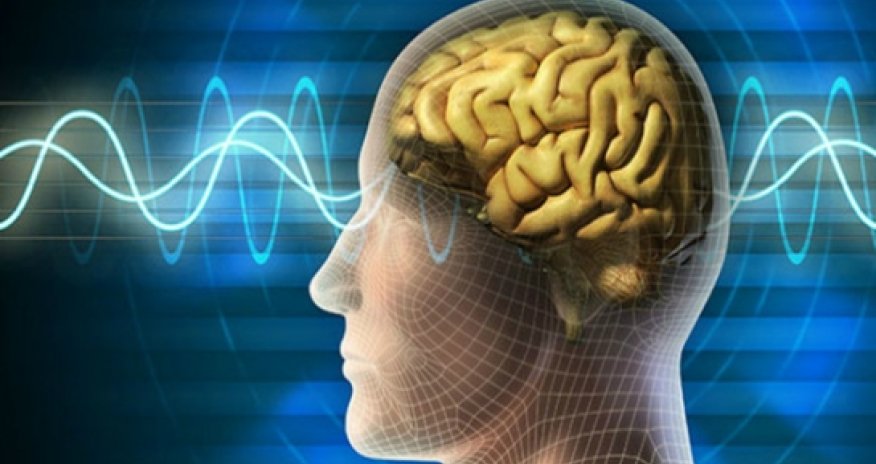


A new study by U.S. scientists revealed a way to alleviate the learning and memory deficits caused by a gene linked to the disease.Their research saw improved brain activity, restoring cognition to normal levels in elderly mice.The transplants helped to replenish the brain, replacing the cells lost to the apoE4 gene, regulating brain activity and improving learning and memory abilities.The research was done by scientists at the Gladstone Institutes and the University of California.First author Leslie Tong, said: 'This is the first time transplantation of inhibitory neuron progenitors has been used in aged Alzheimer's disease models.'Working with older animals can be challenging from a technical standpoint, and it was amazing to see that the cells not only survived but affected activity and behaviour.'The team behind the study said the success of the treatment in older mice, was particularly important given their age corresponds to humans in late adulthood. That is the age at which any treatment derived from the study, would be used therapeutically in Alzheimer's patients.Senior researcher Yadong Huang siad: This is a very important proof of concept study.'The fact that we see a functional integration of these cells into the hippocampal circuitry and a complete rescue of learning and memory deficits in an aged model of Alzheimer's disease is very exciting.'Dr Huang said the potential implications for the findings are far reaching, and could pave the way for new treatments in the future.He said: 'Stem cell therapy in humans is still a long way off. However, this study tells us that if there is any way we can enhance inhibitory neuron function in the hippocampus, like through the development of small molecule compounds, it may be beneficial for Alzheimer disease patients.'The apoE4 gene, carried by around 25 per cent of the population and is involved in 60 to 75 per cent of Alzheimer's cases, disrupts the balance of the brain.It causes the decline of cells essential to maintain normal brain activity, particularly in the hippocampus - an important memory centre in the brain.Scientists carrying out the latest study hoped that by grafting those cells essential to normal brain activity into the hippocampus of elderly mice carrying the apoE4 gene, would replace the lost cells and restoring normal brain function.The new cells, transplanted into the brains, survived, enhancing the brain's ability to learn and remember.(dailymail.co.uk)Bakudaily.az












Latest news 
More news

 Photo
Photo 



 Video
Video