



Reuters: Iran’s wartime power shifts towards Revolutionary Guards
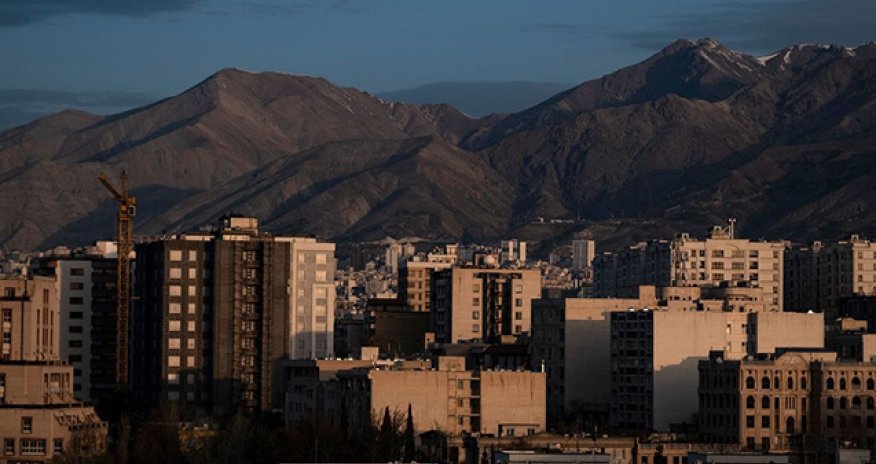


Power in Iran has increasingly shifted towards commanders of the Islamic Revolutionary Guard Corps, weakening the role of the country’s new supreme leader, Mojtaba Khamenei, Reuters reported, citing Iranian officials and analysts.
Reuters said Mojtaba Khamenei, who succeeded his father after Ayatollah Ali Khamenei was killed on the first day of the war with the United States and Israel, remains formally at the top of the system. But three people familiar with internal discussions told the agency that his role is now largely to legitimise decisions made by military commanders rather than issue orders himself.
According to Reuters, real authority is now concentrated in a narrow wartime leadership made up of the Revolutionary Guards, the Supreme National Security Council and officials close to the supreme leader’s office. The IRGC has become dominant not only in military strategy but also in key political and diplomatic decisions.
The report said Iran’s diplomatic contacts with the United States involved Foreign Minister Abbas Araqchi and parliament speaker Mohammad Bagher Ghalibaf, a former IRGC commander. But Reuters cited sources as saying the main figure in the talks was Ahmad Vahidi, the commander of the Revolutionary Guards, who took part in negotiations on the night the ceasefire was announced.
Analysts cited by Reuters said the shift had made Iran’s political system more militarised and less flexible, reducing the chances of compromise in negotiations with Washington. A separate Reuters report said efforts to end the conflict remained stalled after U.S. President Donald Trump expressed dissatisfaction with Tehran’s latest proposal.







 Photo
Photo 

 Video
Video